


I once spent a Saturday afternoon watching a mate chase a bonus round on the Gold Coast, convinced the next spin would pay for his schooner. He lost the lot, naturally, and I realised most of us measure success by the wrong scoreboard. The phrase “outstanding achievement casino player Australia” gets thrown around by marketing teams, but the punters who actually stick around understand something quieter about discipline, timing, and knowing when the evening has run its course.
Most weekend social players treat their wagering as a form of paid entertainment, which means the real test is not whether you walk away rich but whether you kept the whole thing within the budget you set before the first bet. That mindset separates the people who treat a platform like ugga-bugga-slot-au.com as a bit of Friday night fun from the ones who confuse a lucky streak with a second income. The latter group usually discovers, somewhere between the third hour and the fourth, that the maths has quietly turned against them.
Read the house edge before you fund the account
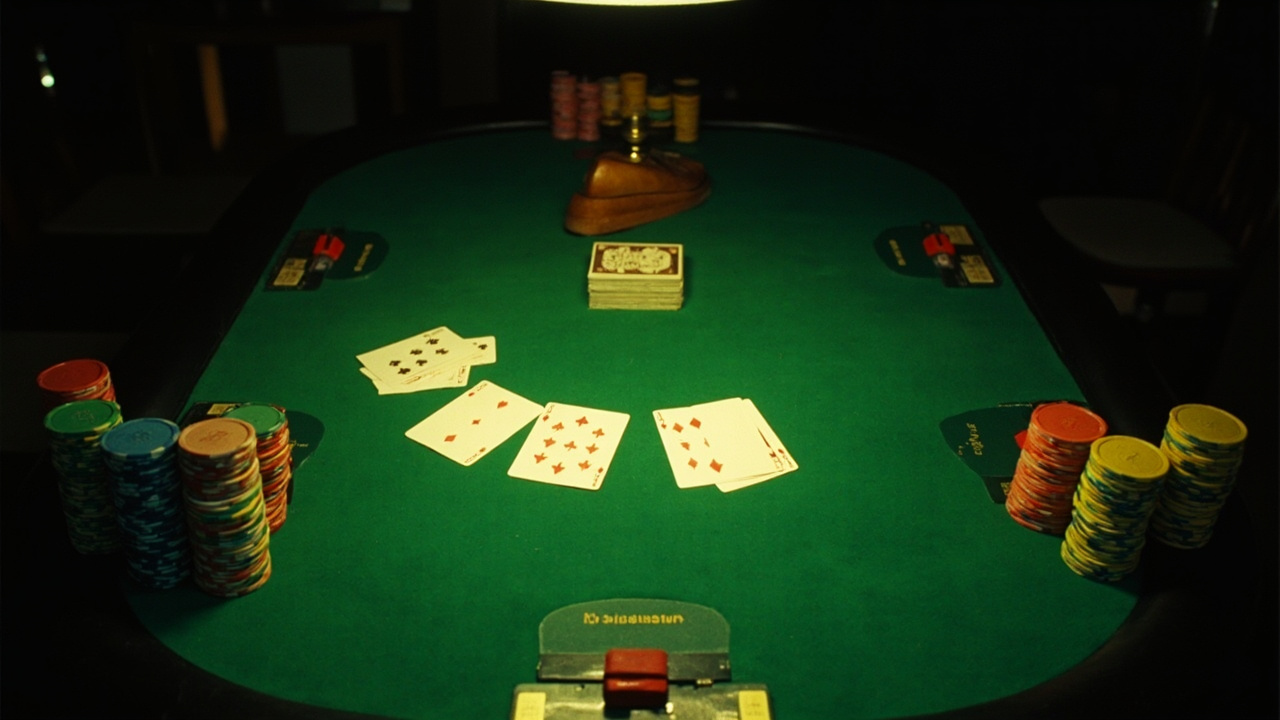
Anyone who has studied the MIT Blackjack Team knows that blending maths students into a disciplined counting operation was never about luck, it was about stacking tiny advantages until they added up to something meaningful. The same principle applies to a modern screen, except the edge is baked into the rules rather than the shuffle, and the only genuine lever a player controls is how long they stay in the game. If you are sitting down to a slot session on the Gold Coast with the evening breeze coming through the window, the sensible first move is to check the return-to-player figures and the bonus terms before you hand over a single dollar.
Adam Edwards, Lead Gaming Analyst, Yarra Gaming Lab, puts it plainly when he says the players who last are the ones who treat the screen like a priced product rather than a promise.”A bonus looks generous until you read the wagering multiple and realise the real cost is your own time,” he notes, and he has a point that most people skip straight past. You can see barbararoest.nl how that thinking plays out when you compare a site that publishes its terms in plain English against one that buries them behind three layers of pop-ups, and the difference often comes down to whether the operator respects your intelligence.
Pick the session window that suits your clock
Australia is a long country, and the three-hour gap between AEST and AWST changes the texture of late-night play more than most punters admit. A session that starts at ten on a Thursday on the Gold Coast lands in Western Australia while the local crowd is still at dinner, which means the traffic patterns, the support staffing, and even the mood of the room feel different depending on where the servers sit. The practical trade-off is simple: if you play when the platform is busiest, you get more live tables and faster payouts, but you also get more noise and more temptation to chase.
Some players deliberately shift their hours to the quieter stretch after midnight, not because the games pay better, but because the slower pace makes it easier to stick to a limit. That choice is a small but real one, and it matters because the same game can feel entirely different when you are playing against the clock instead of alongside it. The point is not to romanticise the hours, but to recognise that timing is one of the few variables a player can actually set.
Treat the bonus as a cost, not a gift
A welcome offer looks like free money until you work through the conditions line by line, and that is where the amateur and the disciplined player part company. Say you deposit fifty dollars and the operator hands you a match that sounds generous; the catch is usually a wagering multiple that turns the bonus into a series of extra bets you would never have placed on your own. The honest way to judge it is to calculate the real value after the conditions, not the headline figure before them.
I have watched more than one mate sign up for a package that looked brilliant on the landing page and then sit frustrated when the withdrawal conditions turned the whole thing into a chore. The better move is to read the expiry window, the game restrictions, and the maximum bet cap during play, and then decide whether the offer is worth the time or whether a plain account without the strings is the smarter choice. If you want a second opinion on how the industry frames these offers, you can read the broader coverage at gambling news before you commit, because the way a site talks about its bonuses often tells you more than the numbers do.
Set a loss limit that survives a bad hour
The single most useful habit a weekend player can build is a hard stop that is decided before the first bet and written down somewhere you can actually see it. A limit only works if it is tied to a real number, not a vague feeling, and if you are willing to walk away when it is hit rather than renegotiate in the middle of a tilt. That is the discipline part, and it is harder than it sounds because the screen is designed to make the next round feel like the one that sorts everything out.
The MIT Blackjack Team did not survive on hope, and the same is true here: a player who treats a losing session as a signal to stop rather than a problem to solve is the one who keeps the entertainment spend actually entertaining. You can test the idea on a quiet Tuesday night on the Gold Coast, set a figure that would not ruin your week if it vanished, and see whether you can leave when you reach it. If you cannot, the answer is not to raise the limit but to admit the format is not the right one for your temperament.
Compare the payout path before you play for keeps
A smooth session means nothing if the withdrawal process turns into a maze, and the sensible player checks the payout path before they ever deposit a cent. The details that matter are the verification steps, the processing window, and the methods the site actually supports, because those are the points where a pleasant evening can turn into a week of emails and waiting. A platform that answers quickly about a small withdrawal is usually a better bet than one that only looks polished when you are putting money in.
Adam Edwards, Lead Gaming Analyst, Yarra Gaming Lab, has a sharper take on this part of the experience.”The real test of an operator is not how fast it takes your deposit but how clearly it handles the return, because that is where the friction shows up,” he says, and the caveat matters for anyone who treats play as a casual spend. You can also see how the broader conversation about payout reliability is shaping up by checking the reporting at gambling news when you are comparing options, since the pattern of complaints often tells you more than the marketing copy.
Build a routine that keeps the spend in its place
The players who stay in the game longest are the ones who treat each session as a contained event with a start, a middle, and an end, rather than an open-ended drift. That means a fixed amount set aside from the entertainment budget, a fixed window of time, and a fixed rule for when the evening is done, whether that is a win target, a loss limit, or simply the clock on the wall. The routine is boring on purpose, because boredom is what keeps the spend from creeping past the point you meant to set.
Say you plan a couple of hours after work on the Gold Coast, put aside a figure that would not bother you if it disappeared, and stop when the window closes even if the screen is still tempting you. That is the kind of ordinary discipline that actually separates the social player from the one who ends up chasing, and it is also the kind of habit that makes the whole thing feel like a night out rather than a second job. If you want to see how a straightforward, no-frills setup looks in practice, you can have a look at ugga-bugga-slot-au.com and judge for yourself whether the design helps you keep to your own rules.
The question that decides whether you keep playing
The real measure of an outstanding achievement casino player Australia is not the size of a win but the consistency of the habits that surround it, and that is a standard most of us would do well to borrow. The players who last are the ones who can tell the difference between a lucky hour and a reliable approach, and who are willing to walk away when the evening has done what it came to do. If you have ever sat down with a budget and actually stuck to it, or if you have learned the hard way that a bonus is not the same thing as free money, I would like to hear how you draw the line – and if you have a mate who needs to hear it, pass the piece along and let them decide for themselves.